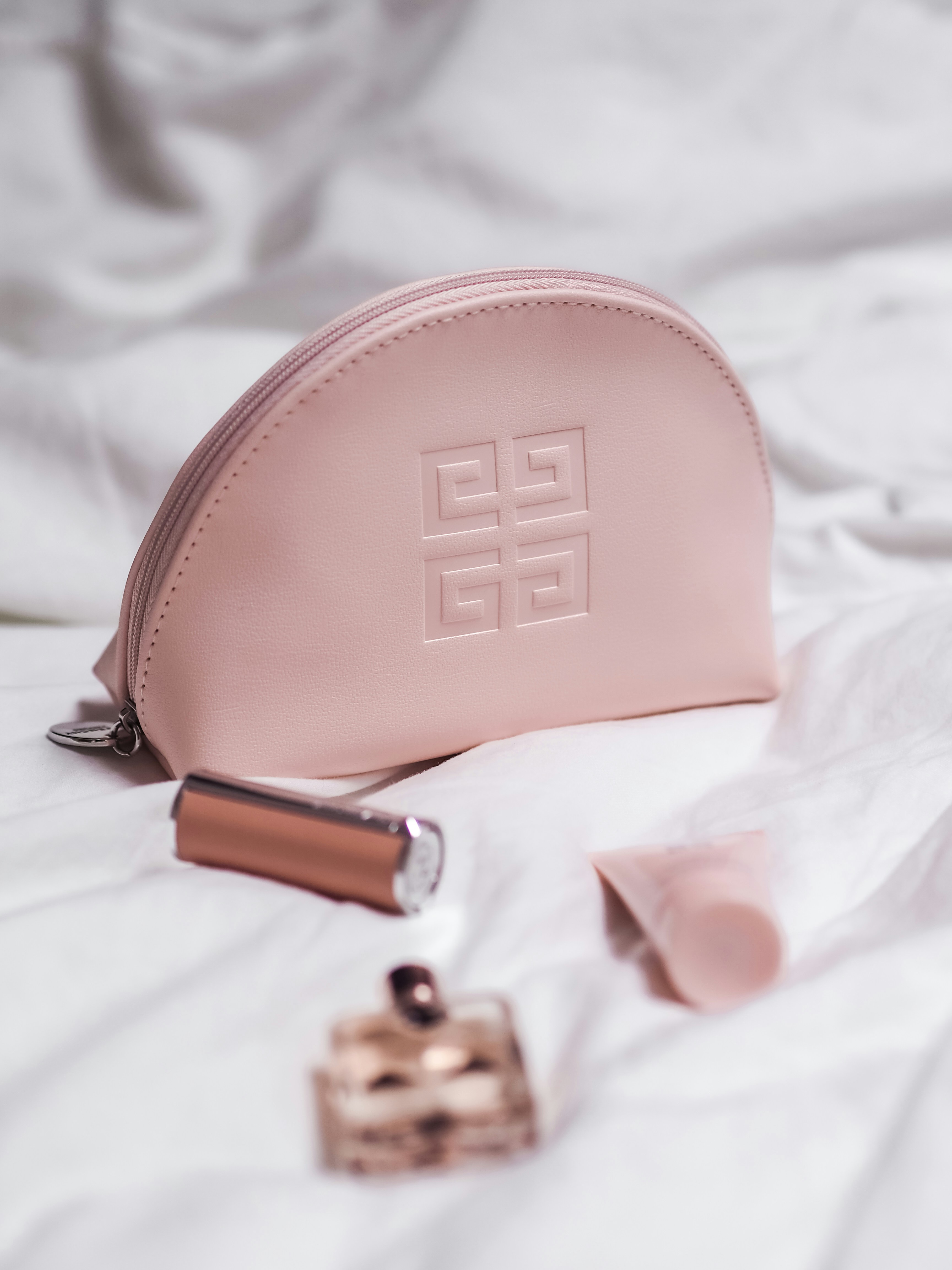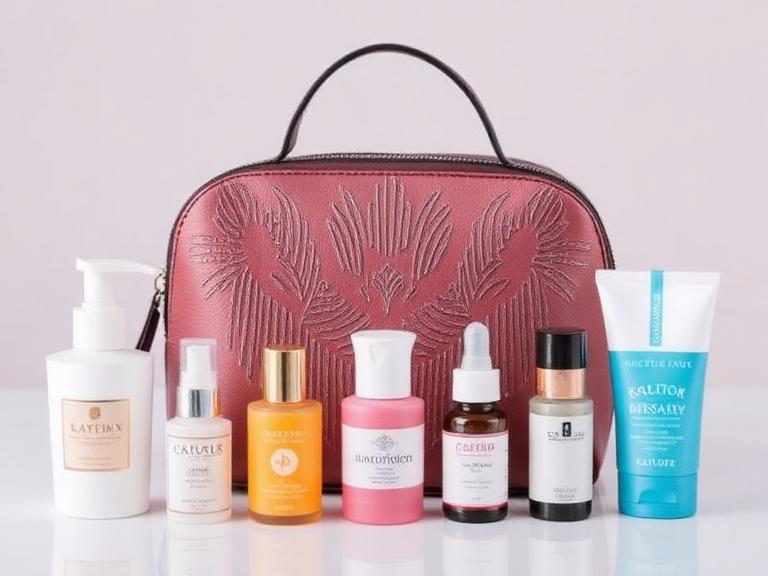
The beauty industry operates on an unforgiving visual hierarchy. You can formulate the most transformative, high-performance skincare serum on the market, but if you deliver that product to your customer inside a flimsy, unbranded plastic pouch, you have instantly destroyed your brand equity. From our experience at PrinteMbroideryBag, engineering secondary packaging for global beauty conglomerates and indie brands alike, the vessel is just as important as the product. The demand for premium Private Label Cosmetic Bags is no longer driven merely by retail merchandising; it is driven by the necessity of creating a permanent, physical brand touchpoint that lives on a consumer’s vanity long after the initial cosmetics are depleted.
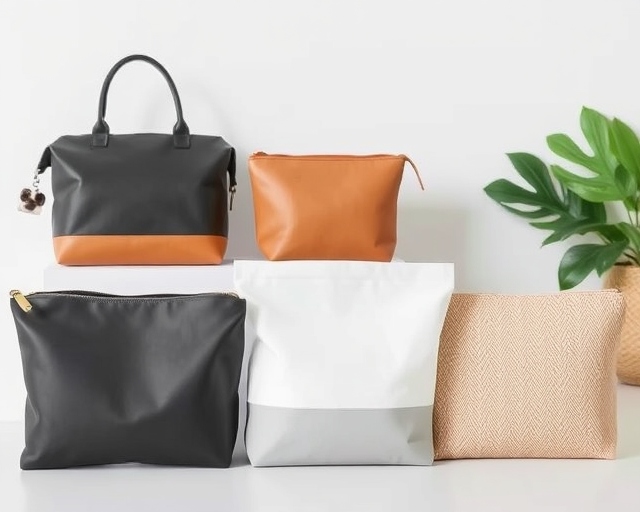
In most professional situations, procurement teams make a devastating commercial error: they view cosmetic bags as cheap promotional throwaways. They source the lowest-grade PVC and single-stitch zippers to save pennies, resulting in cracked materials, broken hardware, and a profound degradation of brand trust. You must use commercial and practical judgment when selecting your materials. Sourcing high-quality fabrics, understanding denier counts, and demanding strict environmental compliance separates luxury brands from dollar-store inventory. In this definitive guide, we take an uncompromising look at the exact types and materials you must specify for your Private Label Cosmetic Bags. We will dissect the performance metrics of six distinct materials, expose the structural flaws of budget sourcing, and provide you with the blueprint to elevate your cosmetic packaging strategy.
Quick Answer: The Best Materials for Your Brand
If you are actively seeking to manufacture Private Label Cosmetic Bags, you must align the material with your brand’s core identity. Here is the operational reality of the current market:
- For Premium & Luxury Brands: PU (Polyurethane) Vegan Leather. It offers the sophisticated aesthetic of genuine leather but is entirely waterproof and immune to liquid foundation spills.
- For TSA-Compliant Travel & Modern Aesthetics: TPU (Thermoplastic Polyurethane). An infinitely superior, crack-resistant, and eco-friendly alternative to cheap PVC.
- For Organic & Sustainable Beauty Lines: Heavyweight Cotton Canvas (12oz+). Provides a beautiful tactile experience, ideally paired with heavy embroidery or silk-screened artwork.
We recommend entirely avoiding untreated, low-denier polyester or basic PVC, as these materials off-gas toxic odors, tear easily, and immediately signal low quality to the end consumer.
Table of Contents
- What It Is: The Private Label Packaging Ecosystem
- How It Works: Fabrication and Customization
- The 6 Best Materials for Cosmetic Bags
- Commercial Benefits of Premium Materials
- Limitations and Hidden Risks of Cheap Fabrics
- Who Should Use Custom Cosmetic Bags
- Who Does Not Need Them
- Common Procurement Mistakes
- Expert Buying Considerations
- Summary and Comparison Tables
- Expert Recommendation & Integrated Solutions
- Frequently Asked Questions
What It Is: The Private Label Packaging Ecosystem
Private labeling in the cut-and-sew industry means taking a manufacturer’s proven structural design—or creating a bespoke pattern from scratch—and applying your exclusive brand identity to it. When we discuss Private Label Cosmetic Bags, we are not talking about buying a thousand blank bags from a wholesaler and having a local print shop stamp a logo on them. We are defining a deeply integrated manufacturing process where the fabric color is Pantone-matched to your brand, the zipper pulls are die-cast with your logo, and the interior lining is printed with your custom motif.
To successfully navigate this ecosystem, brands must prepare rigorous questions for cosmetic bag manufacturers regarding their sourcing compliance and structural warranties. A true private label partner provides the infrastructure to build a retail-ready product that holds its own on the shelves of Sephora or Ulta.
How It Works: Fabrication and Customization
How it works mechanically dictates the longevity of the bag. A cosmetic bag is a high-stress item. It is crammed into luggage, exposed to leaking oils, and subjected to constant zipper tension. The manufacturing process begins with material cutting via precision laser or die-press machines. The raw edges are then bound using bias tape to prevent fraying. For waterproof bags, ultrasonic welding or heat sealing replaces traditional stitching to ensure zero liquid penetration.
Decoration occurs before assembly. If your brand requires intricate branding, the fabric panels are silk-screened, heat-transferred, or heavily embroidered while they are still flat. This is where specialized cosmetic bag industry solutions shine, ensuring that thick, heavy-duty applications (like embroidering on 16oz canvas) do not pucker or distort the final shape of the bag.
The 6 Best Materials for Private Label Cosmetic Bags
In our testing and continual auditing of global textile markets, these six materials represent the definitive options for 2026. Each serves a specific commercial aesthetic and functional requirement.
1. Thermoplastic Polyurethane (TPU)
For decades, clear cosmetic bags were made of PVC (Polyvinyl Chloride). PVC is rigid, cracks in cold weather, yellows over time, and is a massive environmental hazard. TPU is the modern, superior alternative. It is highly elastic, scratch-resistant, completely waterproof, and visually stunning. It provides the “glass-like” transparency required for TSA-compliant travel bags while feeling incredibly soft to the touch.
2. Premium PU (Vegan) Leather
If your brand targets the luxury demographic, genuine leather is actually a poor choice. It stains instantly if liquid foundation spills on it, and it violates the cruelty-free ethos of modern beauty consumers. High-grade PU leather mimics the pebble grain of calfskin but is entirely synthetic. It wipes clean with a damp cloth, making it the absolute best material for high-end Private Label Cosmetic Bags.
3. Heavyweight Cotton Canvas (12oz – 16oz)
For organic skincare brands and sustainable cosmetics, cotton canvas is mandatory. However, you must specify a high ounce weight. Thin 6oz cotton looks cheap and collapses instantly. A 16oz canvas provides structural rigidity. Because canvas is highly absorbent, we strictly manufacture these bags with a waterproof nylon or PEVA internal lining to prevent exterior staining from makeup spills.
4. Woven Jacquard and Embroidered Textiles
When you want to transition a cosmetic bag from mere packaging into a standalone retail accessory, heavily textured fabrics are key. A red embroidered cosmetic pouch utilizing custom thread work communicates intense craftsmanship and luxury. This material commands the highest retail markup and is typically reserved for holiday collections or limited-edition drops.
5. High-Denier Ballistic Nylon
For heavy-duty applications, such as professional makeup artist (MUA) kits or men’s grooming dopp kits, ballistic nylon is indestructible. Originating from military flak jackets, a 1680D nylon will survive years of aggressive travel. It resists punctures from sharp tweezers and scissors, and it does not absorb moisture.
6. Tyvek (High-Density Polyethylene)
Tyvek is the most misunderstood material in the industry. It looks and feels exactly like crinkled paper, but it is actually a spunbonded plastic. It is impossibly lightweight, tear-proof, and waterproof. It has become a massive trend for streetwear-inspired and avant-garde beauty brands looking for a highly unconventional, industrial aesthetic.
Commercial Benefits of Premium Materials
The primary benefit of investing in high-end materials for your Private Label Cosmetic Bags is the elevation of Perceived Value. When integrating these bags into custom packaging solutions or Gift-With-Purchase (GWP) promotions, the quality of the bag directly influences how the consumer perceives the cosmetics inside. A $100 face cream handed to a customer in a cheap, off-gassing plastic pouch immediately depreciates the value of the cream. Conversely, delivering a $30 skincare set inside a stunning, heavy-duty TPU bag makes the entire package feel like a $80 luxury item.
Limitations and Hidden Risks of Cheap Fabrics
We must use commercial and practical judgment: sourcing the cheapest material carries severe structural and legal liabilities. If you specify low-grade PVC for your transparent bags, you risk violating strict chemical compliance laws in regions like California (Proposition 65) or the European Union (REACH). Cheap PVC releases phthalates. Furthermore, utilizing single-ply, unlined polyester guarantees that the first time a customer’s eyeliner pencil loses its cap, the bag will be permanently ruined, rendering your branded item useless and destined for the landfill.
Who Should Use Custom Cosmetic Bags
For Commercial Users and Beauty Brands: Any cosmetics, skincare, haircare, or grooming brand looking to increase their Average Order Value (AOV) must deploy premium bags. Bundling three individual products inside a bespoke bag to create cosmetic bag gift sets is the most effective retail strategy for driving holiday sales and securing premium shelf space at major beauty retailers.
Who Does Not Need Custom Materials
For Beginners Running Micro-Tests: If you are a solo entrepreneur who just formulated your first lip balm and you only have a budget of $300, do not attempt to initiate a custom, cut-and-sew private label manufacturing run. You cannot meet the Minimum Order Quantities (MOQs) for custom-dyed PU leather. You should purchase blank, generic stock bags domestically until your volume justifies custom overseas manufacturing.
Common Procurement Mistakes
From our experience auditing supply chains, the most catastrophic mistake brand owners make is failing to specify the hardware. They spend weeks debating the exact shade of canvas, but neglect to specify the zipper quality. A premium YKK or SBS metal zipper is non-negotiable. If you use a cheap, unbranded nylon coil zipper, the teeth will separate under tension. The bag will fail, and the customer will blame your brand. When analyzing private label cosmetic bag manufacturers, always demand a detailed hardware specification sheet.
Expert Buying Considerations
When you are ready to execute a production run, you must understand how to evaluate cosmetic bag supplier quality. Request physical pre-production samples (PPS). Test the bag ruthlessly: pour water inside to test the lining’s impermeability, violently rip at the seams to test the thread tension, and aggressively open and close the zipper fifty times. Ensure the factory provides documentation proving their materials are free from heavy metals, azo dyes, and restricted phthalates.
Summary and Comparison Tables
Comparison Table: Transparent Packaging Materials
| Metric | Thermoplastic Polyurethane (TPU) | Polyvinyl Chloride (PVC) |
|---|---|---|
| Durability & Elasticity | Extreme (Highly flexible, scratch-resistant) | Low (Becomes brittle, cracks easily) |
| Environmental & Chemical Safety | Excellent (Non-toxic, biodegradable options) | Poor (Off-gasses VOCs, contains phthalates) |
| Visual Degradation | Remains crystal clear for years | Yellows and fogs over time |
| Cost Profile | Premium Pricing | Budget / Low Cost |
Pros and Cons of Canvas vs. PU Leather
| Pros | Cons |
|---|---|
| Canvas: Perfect for eco-conscious branding; excellent for high-detail embroidery. | Canvas: Highly absorbent; requires an expensive waterproof inner lining to survive spills. |
| PU Leather: Wipe-clean surface; inherently waterproof; luxurious aesthetic. | PU Leather: Can feel stiff if low-grade; prone to surface peeling if exposed to extreme heat. |
Expert Recommendation & Hardware Spotlight
Is investing the capital to engineer a highly customized Private Label Cosmetic Bag actually worth it compared to buying off-the-shelf blanks? Emphatically, yes. Custom secondary packaging is the silent ambassador of your brand. It travels into the consumer’s bathroom and on their vacations, acting as a daily visual reinforcement of your quality. We recommend that commercial beauty brands bypass generic promotional items entirely. Partner with a dedicated factory to construct a bag that rivals the quality of the cosmetics it holds.
Furthermore, do not limit your material expertise to small pouches. Expanding your custom merchandise line to include high-capacity tote bags and shoppers utilizing the same premium canvas or PU leather establishes a cohesive, highly profitable lifestyle brand.
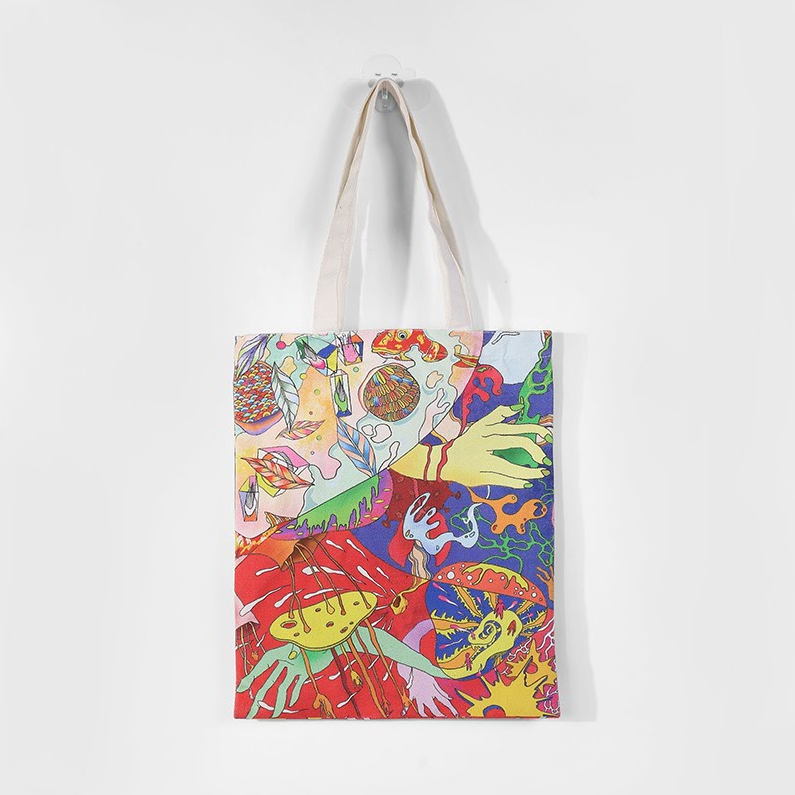
Canvas Leather Handle Tote Shopper
Demonstrating the absolute pinnacle of heavy-duty material construction, this shopper bridges the gap between cosmetic packaging and premium retail fashion. Engineered for high-stress daily use, it combines the organic texture of heavyweight cotton canvas with the structural authority of reinforced leather handles.
- Dimensions: 15” x 13.8” (Optimized for massive interior volume and deep storage).
- Material Architecture: Heavyweight Cotton Canvas providing immense tensile strength, paired with premium leather straps that will not degrade under heavy loads.
- Customization: Features bold, edge-to-edge vibrant abstract art printing that demonstrates our factory’s capability to execute flawless, high-resolution graphics on complex textiles.
- Application: Ideal for luxury brand merchandise expansions, VIP customer gifting, or high-ticket retail additions.
Explore Premium Manufacturing Solutions
Frequently Asked Questions
What is the best material for Private Label Cosmetic Bags?
From our experience, the best overall material for modern applications is Thermoplastic Polyurethane (TPU). It offers the transparency and waterproofing of traditional PVC but is infinitely more durable, environmentally compliant, and highly resistant to cracking and yellowing over time.
Why should a brand choose PU leather over genuine leather for cosmetic bags?
In most professional situations, PU (Polyurethane) vegan leather is vastly superior for cosmetics packaging. It is inherently resistant to harsh makeup spills, completely waterproof, infinitely easier to wipe clean, and perfectly aligns with the strict cruelty-free mandates of the modern beauty industry.
Is canvas a good material for makeup bags?
Heavyweight cotton canvas (12oz to 16oz) is an excellent choice for a premium, organic aesthetic. However, because cotton is highly porous, it is extremely susceptible to liquid foundation and mascara stains unless it is professionally treated with a waterproof internal nylon lining or an exterior DWR coating during manufacturing.
What is the minimum order quantity (MOQ) for custom cosmetic bags?
For true custom, cut-and-sew private label manufacturing where you dictate the fabric color, zippers, and custom dimensions, reputable factories generally require an MOQ of 500 to 1,000 units. Lower quantities are usually only available for generic blanks that are pre-manufactured and simply stamped with a logo post-production.
Industry References & Authoritative Guidelines
To ensure our textile and manufacturing advice aligns with the strictest global safety and engineering standards, PrinteMbroideryBag references the protocols established by the following authoritative organizations:
- ASTM International: The global standards organization that develops and publishes the rigorous consensus technical standards (such as ASTM D5034) for the tensile strength, tear resistance, and structural integrity of woven textile fabrics. Review ASTM Textile Standards
- European Chemicals Agency (ECHA) / REACH: The definitive European Union regulatory framework dictating the strict prohibition of hazardous chemicals, phthalates, and heavy metals in imported consumer textiles and synthetic leathers. Review REACH Compliance Guidelines
- U.S. Food and Drug Administration (FDA): Federal guidelines and context regarding the safe packaging, labeling, and material storage requirements for cosmetic products distributed within the United States. Review FDA Cosmetics Guidelines