In the highly competitive beauty and promotional packaging industry, your product packaging is often the first physical touchpoint a consumer has with your brand. Partnering with a substandard factory will result in fraying seams, jammed zippers, misaligned logos, and ultimately, a destroyed brand reputation. Understanding how to rigorously assess the Quality of a Custom Cosmetic Bag Supplier is not just a procurement task; it is a critical operational mandate for your business survival.
From our experience managing extensive textile and packaging supply chains, vetting a manufacturer requires looking far beyond a glossy Alibaba storefront or a well-designed digital catalog. You must interrogate their raw material sourcing, their stitching tolerances, their printing machinery, and their internal quality assurance frameworks. In this practitioner’s guide, we will brutally dissect the exact metrics, physical tests, and commercial strategies you must execute to secure a world-class manufacturing partner.
Quick Answer: Vetting Supplier Quality
To accurately evaluate the Quality of a Custom Cosmetic Bag Supplier, you must demand physical pre-production samples (PPS) to test construction integrity. Audit the factory for ISO 9001 certification to ensure standardized quality management. Physically inspect the seam allowance (minimum 1 cm is required to prevent fraying), test zipper fluidity (mandating YKK or SBS hardware), and evaluate logo application durability via standard rub and wash tests. We recommend bypassing trading companies and partnering directly with an established Custom Cosmetic Bags Manufacturer capable of providing transparent AQL (Acceptable Quality Limit) inspection reports before mass shipment.
Table of Contents
- What It Is: Defining Supplier Quality in Textiles
- How It Works: The Factory Auditing Process
- Commercial Benefits of Thorough Evaluation
- Limitations and Sourcing Risks
- Who Should Source Custom OEM Bags
- Common Mistakes in Supplier Selection
- Strict Buying Considerations
- Summary & Comparison Tables
- Expert Recommendation from PrinteMbroideryBag
- Frequently Asked Questions (FAQ)
What It Is: Defining Supplier Quality in Textiles
In the context of cut-and-sew manufacturing, assessing the Quality of a Custom Cosmetic Bag Supplier means measuring their ability to consistently replicate a pre-production sample across a volume of thousands of units without variance in dimension, color, or structural integrity. It involves verifying that the factory physically owns the specialized machinery required for your design—whether that is multi-head computerized embroidery machines for Custom Embroidery Cosmetic Bags or specialized heat transfer presses for precise Pantone-matched logo application.
A high-quality supplier acts as a technical advisor. They do not blindly execute a flawed tech pack; they advise you if a certain fabric weight will lack the rigidity needed to hold heavy cosmetic glass bottles, or if a specific printing method will crack on flexible PU leather.
How It Works: The Factory Auditing Process
In most professional situations, evaluating a supplier follows a rigid, three-tiered testing protocol.
1. The Fabric and Hardware Audit: Before any stitching occurs, the raw materials must be vetted. If you are sourcing vegan leather, test it for peeling and color transfer. Inspect the inner lining—cheap suppliers use porous 190T polyester, while high-quality manufacturers default to 210D or 420D nylon with waterproof backing. Zippers must be cycle-tested. A cosmetic bag is opened and closed daily; unbranded, cheap alloy zippers will derail within a month.
2. The Printing and Embroidery Stress Test: When producing Custom Printing Cosmetic Bags, the ink must bond permanently to the substrate. You must conduct a tape test (applying strong adhesive tape over the logo and ripping it off) to check for ink flaking. For embroidery, check the backing paper (it should be cleanly trimmed) and ensure thread tension is tight enough that no base fabric shows through the logo fill.
3. The Construction and Stitching Inspection: Turn the prototype bag inside out. A premium supplier binds raw internal edges using piping (binding tape) to prevent fraying. Count the Stitches Per Inch (SPI); standard cosmetic bags require 8-10 SPI to ensure the seams do not burst when the bag is overstuffed with heavy makeup palettes.
Commercial Benefits of Thorough Evaluation
The primary benefit of meticulously verifying the Quality of a Custom Cosmetic Bag Supplier is the drastic reduction of your return rate and the protection of your brand equity. When beauty brands bundle high-end cosmetics inside a promotional bag, a cheap, chemical-smelling PVC pouch will instantly devalue the hundreds of dollars of cosmetics inside it. Conversely, a structurally sound, beautifully finished bag becomes a retained daily-use item for the consumer, serving as a permanent billboard for your brand.
Limitations and Sourcing Risks
We must use commercial and practical judgment: sourcing high-quality custom textiles takes time. The limitation of demanding full OEM customization is the extended lead time. Sourcing raw materials, dyeing fabrics to custom Pantones, and cutting custom hardware molds can push lead times to 30-45 days before ocean freight even begins. Furthermore, premium factories often demand high Minimum Order Quantities (MOQs) to justify the setup costs of the production line. For brands struggling with high MOQs, tapping into flexible programs like the Custom Cosmetic Bags OEM100 is a strategic workaround.
Who Should Source Custom OEM Bags (And Who Doesn’t Need To)
For commercial users and heavy-duty applications: Established beauty brands, corporate gifting companies, subscription box curators, and specialized travel accessory brands absolutely must engage in Full OEM Custom Cosmetic Bags development. You require total control over the supply chain to ensure product safety (e.g., REACH compliance for European markets) and exact brand matching.
Who does not need it: For beginners launching a dropshipping store or ordering 20 blank bags for a bridal shower, vetting a direct overseas manufacturer is a massive misallocation of time. You are better served buying off-the-shelf blank stock from a domestic wholesaler.
Common Mistakes in Supplier Selection
In our testing and industry observation, the most devastating mistake buyers make is negotiating solely on unit price without defining the Acceptable Quality Limit (AQL). If a supplier drops their price by 30%, they are paying for it by substituting standard YKK zippers for generic alloys, skipping the internal seam binding, or using toxic, non-compliant fabric dyes that will fail customs inspections.
Another profound error is ignoring the final presentation. You can manufacture a beautiful bag, but if the supplier ships 500 bags crammed tightly into a damp cardboard box without silica gel packets, the bags will arrive crushed, permanently creased, and smelling of mold. Always vet the Packaging Solutions for Cosmetic Bags prior to mass production.
Strict Buying Considerations
When reviewing the Cosmetic Bags Manufacturing Capabilities of a potential partner, demand transparency regarding their machinery and labor force. Ask direct questions: Do they outsource the printing or is it done in-house? In-house printing drastically reduces alignment errors and color matching issues. Furthermore, check what Industries PrinteMbroideryBag Serve; a supplier experienced in creating medical-grade or high-end retail bags will inherently possess stricter quality control mechanisms than a factory exclusively pumping out cheap dollar-store totes.
Essential Evaluation Tables
| Audit Category | What to Inspect | Red Flags to Avoid |
|---|---|---|
| Fabric Integrity | Density (Denier), water-resistance, colorfastness | Strong chemical odors, color bleeding when rubbed |
| Hardware (Zippers/Pulls) | Smoothness, metal alloy density, branding (YKK/SBS) | Catching on inner lining, flimsy custom zipper pulls |
| Internal Construction | Piped/bound internal seams, >8 Stitches Per Inch | Exposed raw fabric edges inside the bag |
| Logo Application | Tight embroidery tension, flexible ink printing | Cracking ink, puckered fabric around embroidery |
| Metric | Direct Manufacturer (OEM) | Trading Company (Broker) |
|---|---|---|
| Pricing | True factory-direct wholesale costs | Adds 20%-40% broker margin |
| Quality Control | Direct control over assembly lines and AQL | Relies on third-party factories; quality varies wildly |
| Communication | Direct access to pattern makers and engineers | Acts as a middleman, causing technical translation errors |
| Customization | Full structural and material customization | Usually limited to printing on existing blank stock |
| The Pros (Advantages) | The Cons (Disadvantages) |
|---|---|
| Access to vast fabric markets and specialized manufacturing machinery. | Longer freight and customs lead times (30-60 days). |
| Massive reduction in unit cost for high-volume commercial runs. | Requires rigorous initial auditing and physical sampling phases. |
| Ability to create 100% bespoke shapes, linings, and custom hardware. | Communication across time zones requires highly detailed Tech Packs. |
Expert Recommendation from PrinteMbroideryBag
In most professional situations, the fastest way to ruin a retail launch is to treat cosmetic bags as a generic commodity rather than a tailored textile product. We recommend that commercial buyers completely bypass unverified brokers. You must establish a direct relationship with a factory that openly displays its manufacturing capabilities and is willing to iterate through pre-production sampling until the product is perfect.
If you are looking to scale your Bags & Accessories wholesale business with uncompromising quality, partner with an established industry leader.
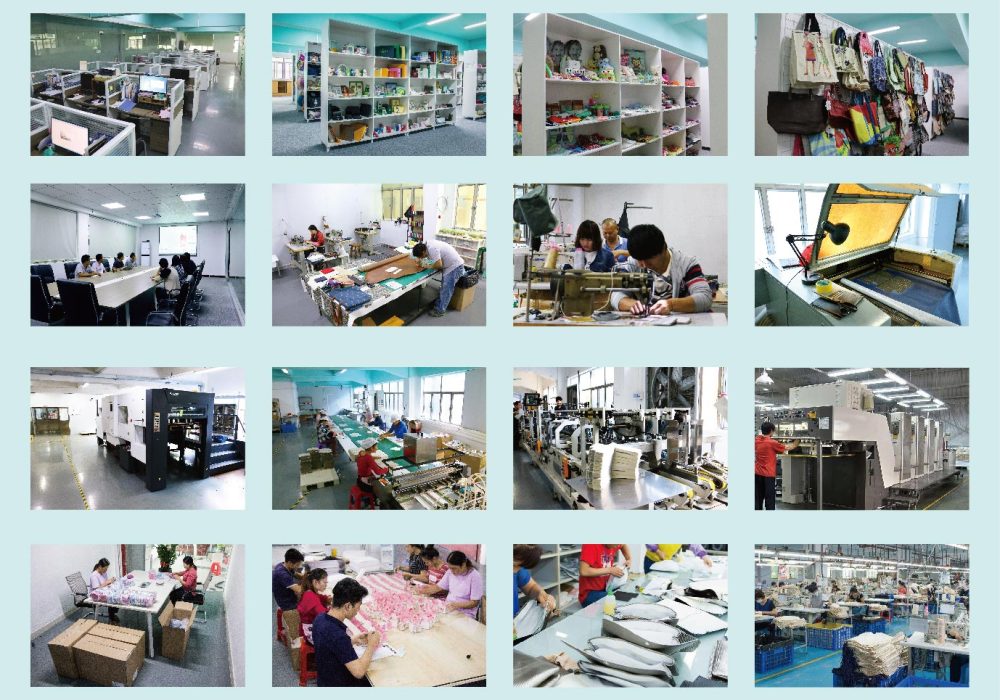
Printed & Embroidered Cosmetic Bag Manufacturer
For completely bespoke products, explore our Full OEM Development service. We manage the entire lifecycle from raw material sourcing to final rigorous AQL quality inspections.
Need to launch faster without massive capital tie-up? Utilize our OEM100 program, a flexible low MOQ solution built on proven bestselling collections. Order as shown with mix-and-match flexibility, or customize with your own artwork, branding, or selected design options from just 100 pcs. We eliminate the risk from overseas sourcing by providing transparency, engineering expertise, and world-class quality control.Learn More About PrinteMbroideryBag
Whether you need bulk Cosmetic Bags wholesale or a highly specific, custom-engineered beauty case, validating your supplier’s internal processes is the only guarantee of commercial success.
Frequently Asked Questions (FAQ)
What is an acceptable defect rate when evaluating the Quality of a Custom Cosmetic Bag Supplier?
In most professional situations, a standard AQL (Acceptable Quality Limit) of 2.5 for major defects and 4.0 for minor defects is standard in the bags and textiles industry. Anything higher indicates poor quality control on the factory floor and should be rejected.
How can I test the zipper quality of a custom cosmetic bag?
We recommend requesting hardware specifications upfront. The zipper should be branded (e.g., YKK or SBS) and must pass a cycle test of at least 500 zips without sticking or derailing. During prototype inspection, pull the zipper rapidly from different angles to test the structural integrity of the tape and the metal teeth.
Why is the inner lining important when judging cosmetic bag quality?
Cosmetic bags are highly prone to spills from liquid foundations, oils, and pigmented powders. A low-quality supplier will use cheap 190T polyester that stains and tears easily. A high-quality supplier will utilize a 210D or higher density water-resistant lining, often treated with PU or PVC coatings to allow for easy wiping and cleaning without the liquid seeping into the exterior fabric.
Authoritative Industry References
To ensure your quality auditing protocols align with global textile and manufacturing standards, we advise consulting the following organizations:
- International Organization for Standardization (ISO) – Specifically ISO 9001, which sets the criteria for rigorous quality management systems in manufacturing facilities.
- SGS Global – The world’s leading testing, inspection, and certification company, providing the definitive standards for Acceptable Quality Limit (AQL) inspections in the textile industry.
- ASTM International – Provides the specific engineering testing standards (such as ASTM D2061) for measuring the operational strength and durability of zippers and textile fasteners.