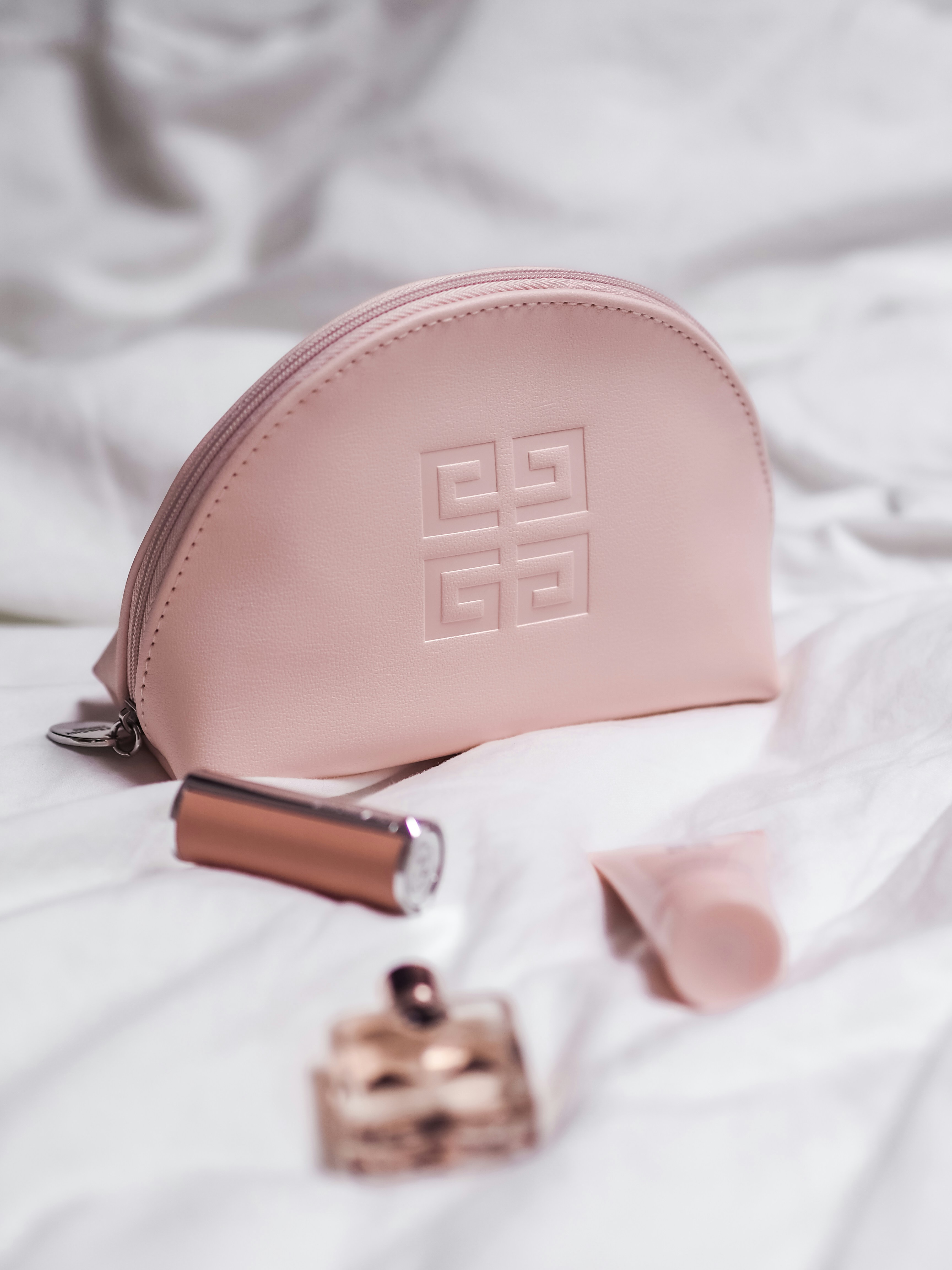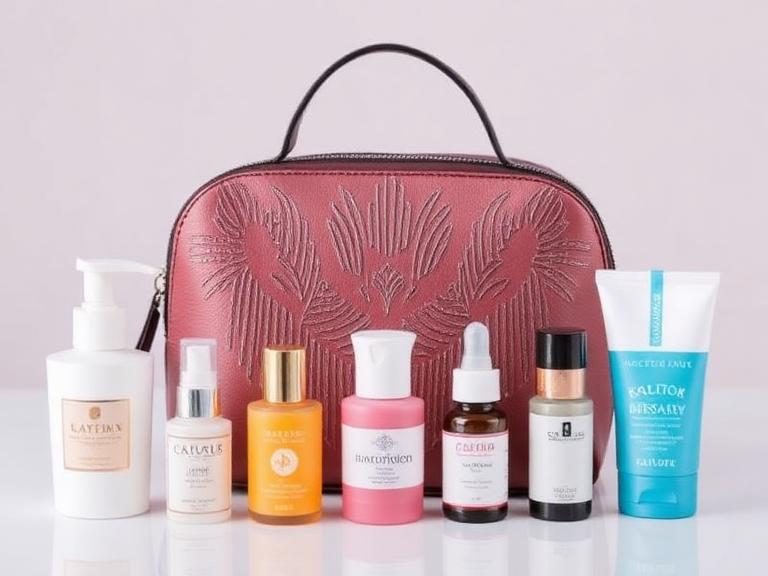
The cosmetics and beauty accessory market is flooded with generic, low-quality pouches that fail within a month of daily use. From our experience at PrinteMbroideryBag, brands that rely on cheap, print-on-demand drop-shippers ultimately damage their reputation. When a customer pays a premium for your cosmetics, placing those items in a flimsy unlined bag with a sticking zipper is a commercial misstep. If you are asking how to design my own makeup bag, you must approach the process like an industrial manufacturer, not a hobbyist uploading a logo to a website.
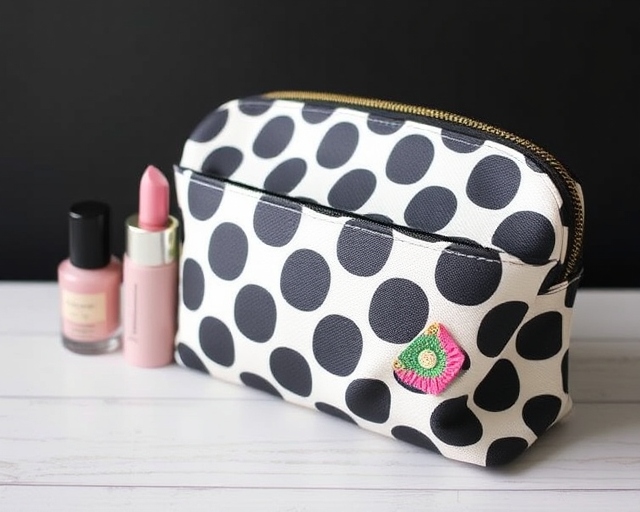
In most professional situations, designing a custom cosmetic bag requires a fundamental understanding of structural engineering, material science, and supply chain logistics. You are not just picking a color; you are selecting interior linings that resist foundation spills, specifying hardware that survives constant tension, and determining the optimal dimensions to hold specific makeup brushes without crushing bristles. This guide will provide you with the exact commercial blueprint we use to take a sketch on a napkin and turn it into a retail-ready, premium cosmetic bag.
Quick Answer: How Do I Design My Own Makeup Bag?
To successfully design my own makeup bag for commercial retail or promotional use, you must follow these five non-negotiable steps:
- Define the Structural Purpose: Determine exact dimensions based on what the bag will hold (e.g., elongated for brushes, deep with gussets for bottles).
- Select Exterior and Interior Materials: Choose an exterior that aligns with your brand identity and a waterproof or wipeable interior lining (like TPU or nylon).
- Specify Industrial Hardware: Mandate high-gauge metal zippers and custom-branded pullers to prevent mechanical failure.
- Choose the Branding Application: Select between embroidery, screen printing, debossing, or heat transfer based on your exterior material.
- Partner with an OEM Factory: Submit a detailed tech pack to a specialized manufacturer to produce physical prototypes before bulk production.
Expert Recommendation: Skip retail print-on-demand services. We recommend engaging in full OEM cosmetic bag development if you intend to sell these bags for profit or use them as high-end corporate gifts.
Table of Contents
- What It Is: True Custom Manufacturing
- How It Works: The OEM Process
- The 5 Steps to Design My Own Makeup Bag
- Benefits of Custom Design
- Limitations to Consider
- Who Should Use OEM vs Print-on-Demand
- Common Mistakes in Cosmetic Bag Design
- Commercial Buying Considerations
- Comparison Table: Custom vs Off-the-Shelf
- Pros and Cons Table
- Expert Recommendation
- Frequently Asked Questions
What It Is: True Custom Manufacturing
When you decide to design my own makeup bag, you are entering the realm of Original Equipment Manufacturing (OEM). What this means is that a bag is built from scratch according to your exact specifications. This is fundamentally different from white-labeling, where a factory simply takes thousands of pre-made, blank canvas bags and screen-prints your logo on the front.
True custom manufacturing involves creating a unique cutting die for the fabric, sourcing specific hardware, and layering materials. It allows you to add custom interior pockets for lipsticks, elastic bands for brushes, and specialized linings that protect against liquid spills. If you want a brand that stands out, you need a product that is structurally unique, not just visually branded.
How It Works: The OEM Process
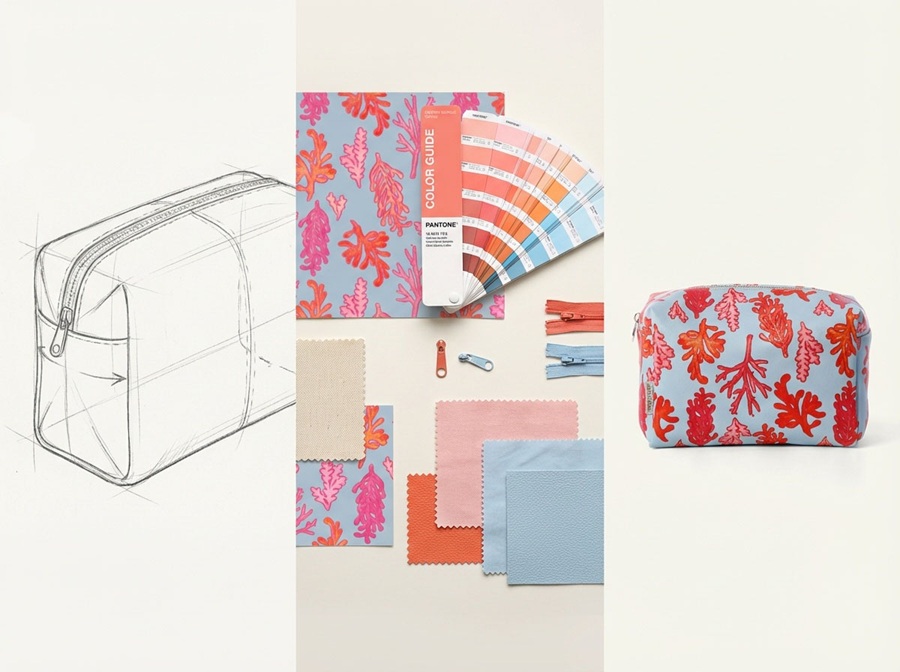
How the process works is driven by a document called a “Tech Pack” (Technical Package). A tech pack is a blueprint that tells the factory exactly what to build. It includes flat 2D drawings of the bag, exact measurements in millimeters, material swatches, Pantone color codes, and hardware specifications.
Once you submit your tech pack to a reliable manufacturer, they will source the materials and produce a pre-production prototype. In our testing, this prototype phase is where 90% of design flaws are caught. Once the physical prototype is approved, the factory creates the cutting dies and moves into mass production. To understand how to vet these partners, you should review our guide on how to choose a cosmetic bag manufacturer.
The 5 Steps to Design My Own Makeup Bag
Step 1: Define the Structural Purpose and Dimensions
A makeup bag is a functional tool. Before you choose colors, you must know what it will hold. Are you designing a long, flat pouch for eyeliners and brushes? Or do you need a deep, structured train case with a flat bottom to hold heavy glass foundation bottles upright? For beginners, the most critical mistake is failing to account for gussets. A flat bag with no depth will warp and strain the zipper the moment a thick compact is placed inside. Always design with 3D volume in mind.
Step 2: Select Exterior and Interior Materials
Your exterior material communicates your brand’s market position. For luxury brands, genuine leather cosmetic bags offer unparalleled durability and perceived value. For eco-conscious demographic targeting, sourcing sustainable cosmetic bag materials like organic canvas or recycled rPET is mandatory. If you are targeting travel retail, clear logo bags made of TPU or PVC are required for TSA compliance.
Equally important is the interior lining. Makeup spills. If you use raw cotton lining, a broken foundation bottle will ruin the bag permanently. Always specify a wipeable, waterproof lining like PU-coated nylon or EVA.
Step 3: Specify Industrial Hardware
For heavy-duty applications, the zipper is the engine of the bag. A cheap zipper will derail, split, or snag, immediately turning your product into garbage. We recommend specifying nylon coil zippers for smooth operation, or high-gauge metal zippers for a premium aesthetic. Furthermore, do not use generic pullers. Custom-cast metal pullers with your brand’s logo etched into them elevate the perceived value of the product exponentially.
Step 4: Choose the Branding Application
How you apply your logo dictates how long it will last. Screen printing is cost-effective but can crack over time on flexible fabrics. Heat transfer allows for full-color gradients but can peel if subjected to high heat. Embroidery offers a highly premium, tactile feel that never fades. For leather or vegan leather, debossing (stamping the logo into the material) provides a subtle, sophisticated aesthetic.
Step 5: Partner with an OEM Factory
You cannot execute these steps alone. You need a manufacturing partner who understands textiles. You must find a low MOQ cosmetic bag manufacturer if you are a startup, as many factories demand minimums of 5,000 units. A reliable factory will assign a merchandiser to walk you through the prototyping phase, ensuring your paper design translates into a functional physical product.
Benefits of Custom Design
The primary benefit of choosing to design my own makeup bag through an OEM process is total brand control. You dictate the exact profit margins by controlling the material costs. Furthermore, a custom bag acts as a permanent billboard in your customer’s bathroom. When they travel, your bespoke bag travels with them, reinforcing brand loyalty every time they reach for their cosmetics.
Limitations to Consider
The main limitation is the upfront capital requirement and the development timeline. Unlike ordering 50 generic bags online that ship tomorrow, developing a custom mold and sourcing bespoke materials takes 30 to 45 days for sampling, and another 30 days for mass production. You must plan your inventory launches months in advance.
Who Should Use It vs. Who Does Not Need It
Who Should Use It: We recommend custom OEM design for cosmetics brands, subscription box companies, boutique retailers, and corporate gifting departments. If your bag is a reflection of a premium brand identity, you must build it from scratch.
Who Does Not Need It: If you are an individual wanting a single makeup bag with your name on it for a weekend trip, do not engage an OEM factory. Use a consumer-facing print-on-demand service or an Etsy seller who customizes blanks.
Common Mistakes in Cosmetic Bag Design
In our testing and manufacturing experience, we see brands make the same critical errors. The first is ignoring the lining, which we mentioned above. The second is choosing fabrics that attract dust and hair; a black velvet makeup bag will look filthy within a week. The third is ignoring the custom cosmetic bag ordering checklist—specifically failing to test the prototype with actual cosmetics inside. You must physically test whether standard palettes and brushes fit before approving mass production.
Commercial Buying Considerations
When you sit down to design my own makeup bag, you must calculate landed costs. A bag that costs $3.00 to manufacture might cost $1.50 to ship via air freight. For commercial users, optimizing the dimensions of the bag so that it ships flat can save thousands of dollars in volumetric weight charges. Additionally, consider the packaging. Will the factory poly-bag each unit, or do you need custom retail display boxes? Factor this into your B2B sourcing strategy.
Comparison Table: Custom OEM vs Off-the-Shelf Blanks
| Feature | Custom OEM Manufacturing | Off-the-Shelf Blanks (POD) |
|---|---|---|
| Structural Control | 100% control over dimensions, gussets, and interior pockets. | Zero control. You must accept the factory’s standard shape. |
| Material Options | Unlimited (Leather, rPET, Canvas, TPU). | Limited to basic cotton canvas or cheap polyester. |
| Hardware Customization | Custom metal pullers, specific zipper gauges and colors. | Generic, standard silver or nylon zippers only. |
| Lead Time | 60-90 days (Sampling + Production + Shipping). | 7-14 days. |
| Unit Economics | Highly profitable at scale. Lowest unit cost. | Expensive per unit. Low profit margins for retail. |
Pros and Cons of Designing Your Own Bag
| Pros of Custom Design | Cons of Custom Design |
|---|---|
| Creates a highly premium, exclusive product that competitors cannot copy. | Requires Minimum Order Quantities (MOQs), tying up initial capital. |
| Allows for specific functional solutions (e.g., waterproof brush compartments). | Longer lead times require strict supply chain forecasting. |
| Significantly lowers the cost per unit when ordering at commercial volume. | Requires a basic understanding of textiles and tech packs to communicate with factories. |
| Builds immense brand equity through bespoke hardware and interior branding. | Prototyping fees apply before mass production begins. |
Expert Recommendation
If you are serious about building a brand in the cosmetics or travel accessory space, off-the-shelf blanks are a dead end. We strongly advise taking the time to design a bag that solves a specific problem for your customer—whether that is better organization, spill-proof linings, or sustainable materials. Partner with established cosmetic bag manufacturers USA Canada UK or specialized Asian facilities that have a proven track record in the beauty sector.
PrinteMbroideryBag – Create Completely Bespoke Cosmetic Bags & Accessories
Create completely bespoke cosmetic bags and accessories with custom structures, materials, print & embroidery techniques, packaging and branding—all supported by our experienced development and manufacturing team.
Whether you need a specialized EVA-lined train case or a simple organic cotton pouch, our facility is equipped to handle complex OEM requests with strict quality control. Explore our extensive catalog of bags and accessories to see our manufacturing capabilities in action.
Frequently Asked Questions
How much does it cost to design my own makeup bag?
The cost varies wildly based on materials and volume. A basic custom canvas bag might cost $1.50 to $3.00 per unit at high volumes (1,000+ pcs). A premium genuine leather bag with custom hardware could cost $15.00 to $25.00 per unit. You must also account for one-time prototyping fees, which generally range from $50 to $150 depending on complexity.
What is the best material for the inside of a makeup bag?
In most professional situations, we recommend TPU (Thermoplastic Polyurethane), PU-coated nylon, or EVA. These materials are non-porous, meaning if a liquid foundation or oil-based serum spills, it can be wiped completely clean with a damp cloth without staining the exterior fabric.
Do I need to know how to sew to design a custom bag?
No. You do not need to be a seamstress. However, you do need to be able to communicate your vision clearly. Providing reference photos of existing bags, rough sketches with dimensions, and a clear list of required features is usually enough for a professional OEM factory to generate a formal tech pack for you. For more insights, review our cosmetic bag FAQ.
Industry References & Quality Standards
To ensure our manufacturing advice meets the highest levels of E-E-A-T, we base our structural and material recommendations on guidelines established by leading global textile authorities:
- ASTM International: Standards for textile durability, tear strength, and zipper fatigue testing in commercial luggage and accessories. Review ASTM Standards
- Textile Exchange: Guidelines for sourcing certified sustainable and recycled materials (like rPET and organic cotton) for consumer accessories. Review Sustainable Materials
- YKK Fastening Products Group: Engineering specifications and load-bearing data for commercial-grade zippers and closures used in heavy-duty applications. Review YKK Engineering Data